
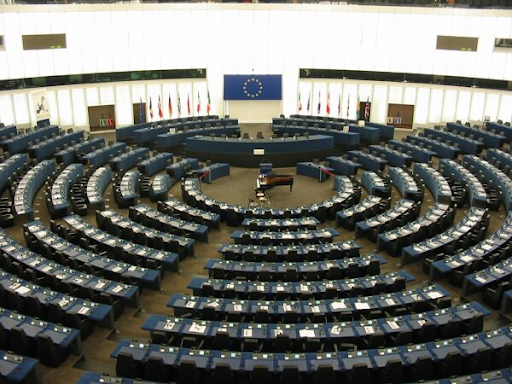
Brussels has formally suspended the ratification of its trade agreement with the United States following President Trump’s linkage of tariff threats with his Greenland ambitions. European lawmakers have characterized this approach as blackmail, prompting the parliament’s most significant material response to the escalating crisis.
According to Bernd Lange, chairman of the European Parliament’s trade committee, no possibility for compromise exists while Greenland-related threats remain active. The frozen trade deal had been designed to provide American industrial exporters with zero-tariff access to European markets, but that promise has now evaporated with the suspension. Industrial goods that would have enjoyed tariff-free entry into European markets now face the restoration of existing tariffs, eliminating the competitive advantage American manufacturers had anticipated.
The European Union has maintained its $750 billion energy purchase commitment, which officials confirm operates separately from the suspended trade agreement. This strategic distinction allows Brussels to preserve essential energy cooperation while defending political autonomy.
Diplomatic tensions escalated when European Commission President Ursula von der Leyen changed her post-parliamentary plans, returning directly to Brussels for emergency summit preparations rather than meeting Trump in Davos.
The Thursday evening crisis summit will address the full range of options available to Brussels should Washington proceed with its threatened tariffs. European leaders will discuss imposing €93 billion in counter-tariffs on American exports and potentially activating an unprecedented anti-coercion mechanism. Originally designed to counter Chinese economic pressure on individual member states, this tool could restrict US companies from accessing European markets.