
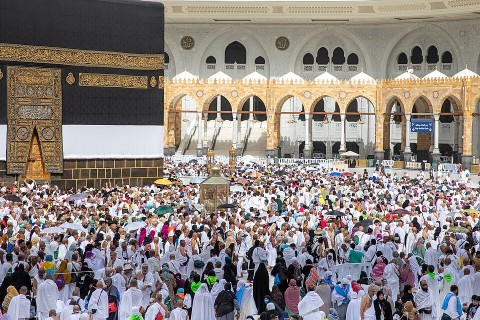
As the Hajj pilgrimage approaches, Saudi Arabia is ramping up its health and security measures to accommodate an anticipated influx of approximately 1.5 million pilgrims in Makkah. This year’s preparations are particularly rigorous due to global health concerns stemming from recent virus outbreaks, including Ebola in parts of Africa and rising hantavirus cases.
Saudi health authorities have assured that the nation’s surveillance and emergency response systems are on high alert to ensure the safety of pilgrims during the annual religious event. New precautionary protocols have been put in place, especially for travelers originating from Uganda, South Sudan, Rwanda, Burundi, Tanzania, and the Democratic Republic of the Congo. These travelers will undergo enhanced travel monitoring and health screenings upon their arrival.
With pilgrims already arriving in Makkah and visiting significant religious sites like the Grand Mosque, Jabal Al Nour, and Safa and Marwa, officials have also bolstered security at airports and along key pilgrimage routes. These measures are not only a response to health concerns but also to regional security tensions, particularly involving Iran and Gulf countries, as well as recent drone attack threats highlighted by Saudi Arabia.
To mitigate the effects of the extreme summer heat, authorities have expanded shaded walkways and stationed at least 34 medical units near major holy sites, ensuring that healthcare support is readily available. These initiatives aim to protect pilgrims as they fulfill one of Islam’s five pillars, which mandates that Muslims physically and financially capable must perform the Hajj at least once in their lifetime.